

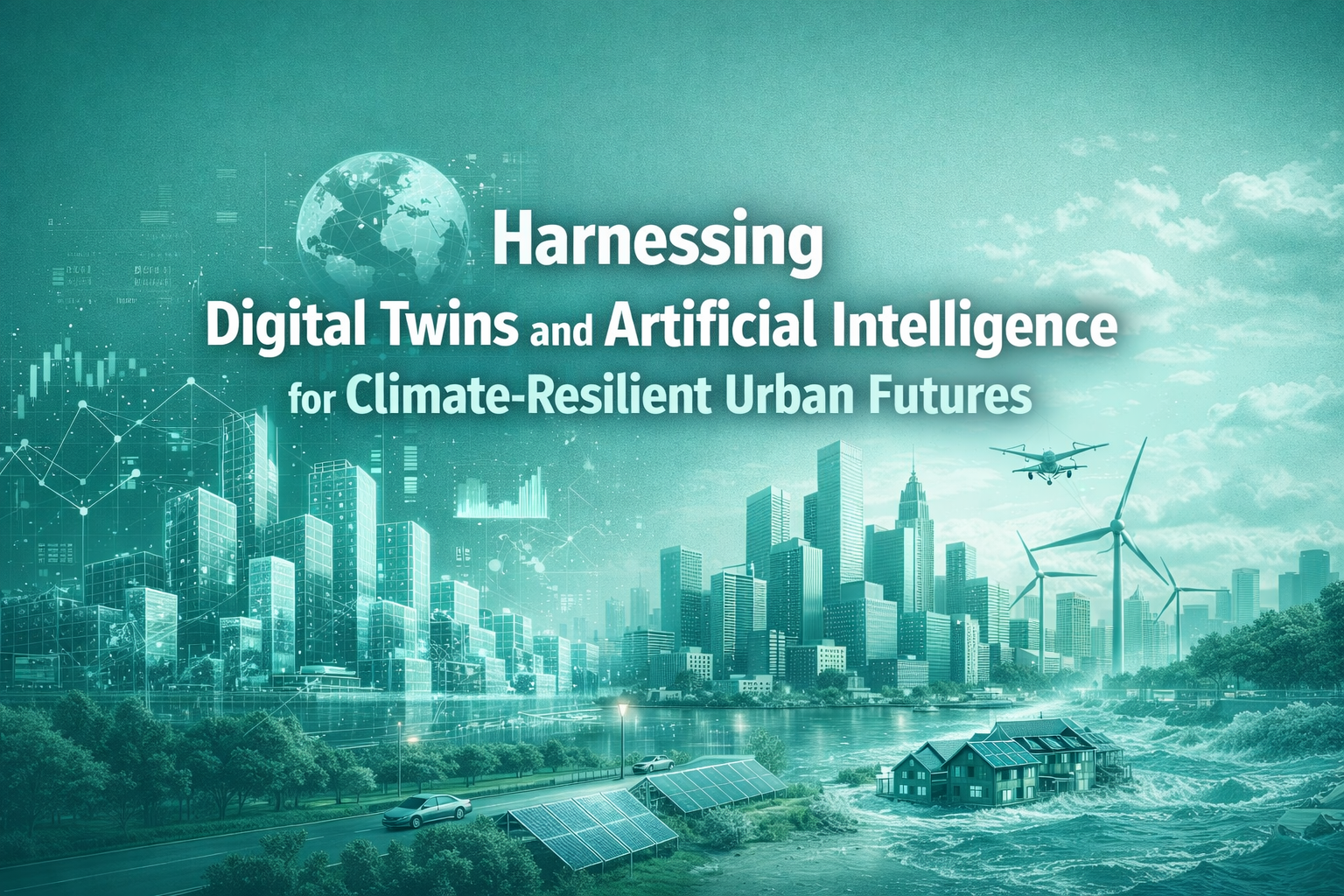
The Contemporary Urban Planners International Conference (CUPIC) is a global platform that brings together urban planners, researchers, policymakers, and built environment professionals to explore innovative approaches to contemporary urban challenges. The conference focuses on how emerging technologies—particularly Digital Twins and Artificial Intelligence—can transform urban planning, infrastructure management, and decision-making processes. Through research presentations, expert discussions, and international collaboration, CUPIC aims to advance knowledge and professional practice that supports more sustainable, resilient, and inclusive cities.
CUPIC aims to strengthen international research networks, improve professional capacity in digital urban planning, and generate policy insights that support sustainable city development worldwide.
Through peer-reviewed publications, expert dialogue, and global participation, CUPIC is building a platform for knowledge exchange that contributes to shaping the future of cities.


Urban areas worldwide are experiencing unprecedented pressures arising from rapid urbanisation, climate change, infrastructure deficits, environmental degradation, and socio-economic inequalities. Cities are increasingly exposed to climate-induced risks such as flooding, heatwaves, coastal erosion, water scarcity, and infrastructure failure. These challenges demand innovative, data-driven, and forward-looking approaches to urban planning and management.
Despite their growing relevance, the application of Digital Twins and AI in urban planning remains uneven, particularly across developing regions. There is a critical need for a global platform that brings together researchers, practitioners, policymakers, and educators to exchange knowledge, share experiences, and advance the responsible and inclusive adoption of these technologies.
The Contemporary Urban Planners International Conference (CUPIC 2026) is conceived as a high-level international forum to address this gap. The conference will promote interdisciplinary dialogue, foster global collaboration, and contribute to advancing climate-resilient urban futures through innovative digital solutions.




a global platform dedicated to advancing knowledge, innovation, and professional collaboration in urban planning and the built environment.
© Copyright 2026 -Contemporary Urban Planners International. All Right Reserved



 +2348022383894
 100 percent virtual
 info@cupicglobal.org
 www.cupicglobal.org